WORK
In 1994, only 3% of the UK population worked from home, but in 2024 a traditional 5 day week in the office does not happen so much anymore. 44% of the UK now work remotely. The largest increase happened from 2020 because of the pandemic.
This graph show the increase in the number of people in the UK working from home.
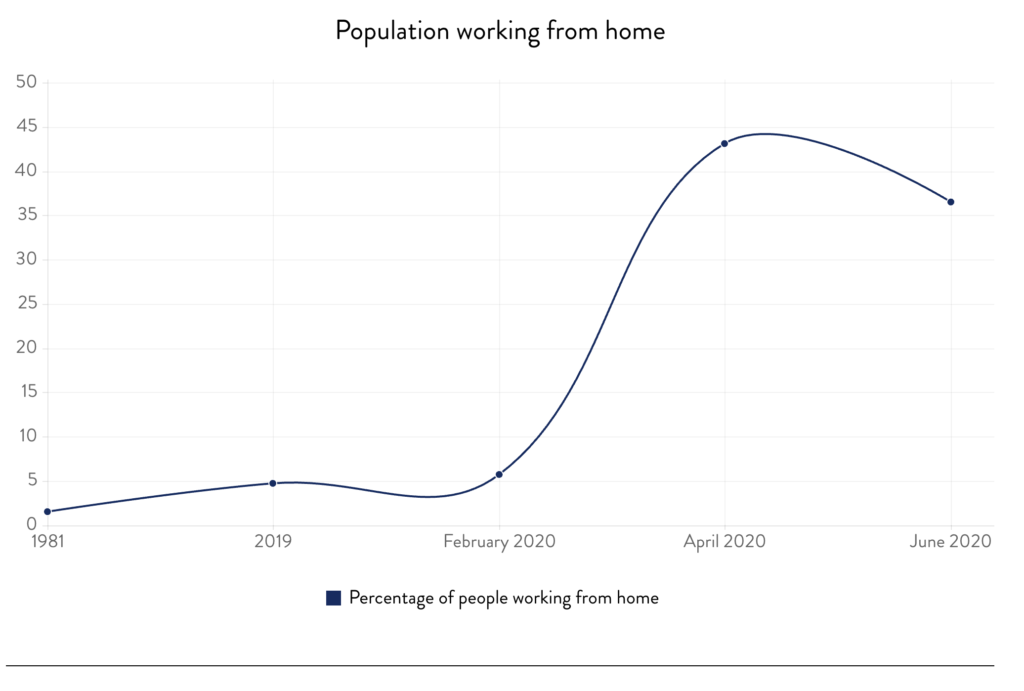
Although the big increase was due to the pandemic, BBC news reported that 50 of the biggest UK employers have said they have no plans to return all staff to the office full-time in the future
Because of the large number of people now working from home, videoconferencing apps like Zoom, Microsoft Teams and Google Meet has dramatically increased in the last few years. In February 2020, there were just under 5 million downloads of the Zoom app, but by March 2020, this increased to 26.9 million downloads.
Working from home has many advantages. However, it has made us a more isolated and atomised society. The office was a huge part of people’s lives and a place for collaborating, socialising and connecting with others.
BBC statistics from 2024 say that 81% of younger workers say they feel more isolated without time in the office and 60% reported that they now feel less connected to colleagues.
“Before Covid-19, many of us thought remote working sounded blissful.
Simon Usborne
Now, employees across the world long for chats by the coffee machine and
the whirr of printers. At their best, offices were crucibles for ideas
and lifelong friendships, particularly among younger workers”
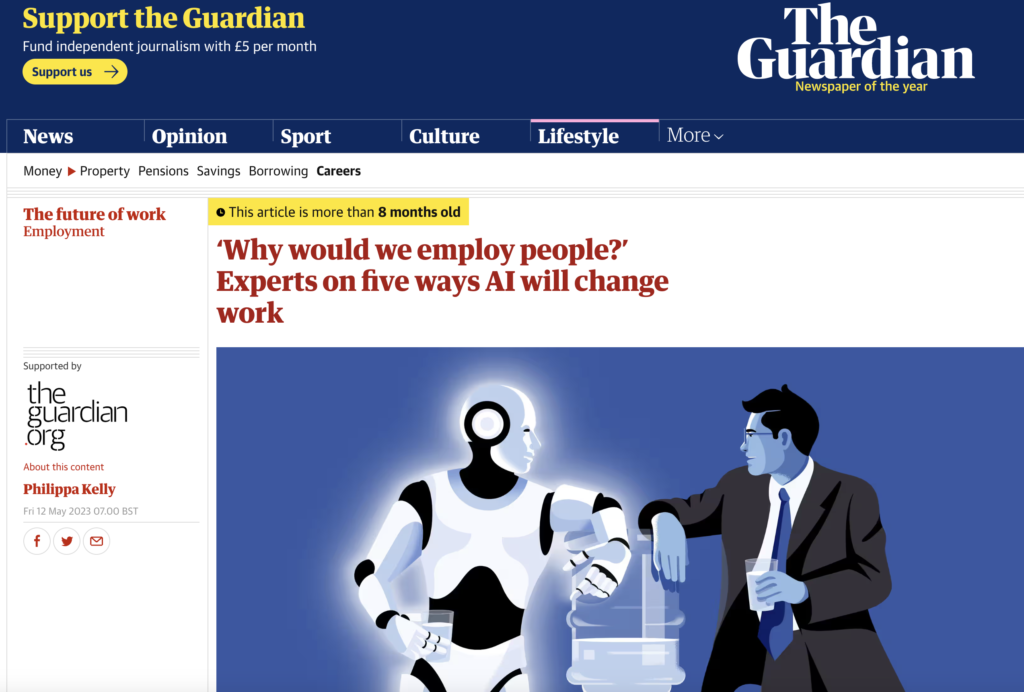
The type of work has also changed between 1994 and 2024. A Goldman Sachs report from 10th January 2024 said Artificial intelligence (AI) could replace 300 million full-time jobs. The report also predicts two-thirds of jobs in the U.S. and Europe “are exposed to some degree of AI automation,” and a quarter of all jobs could be completely doen by AI. Jobs that are most likely to move to AI are receptionists and accountants/ bookkeepers, analysts, warehouse work and insurance. This would mean even more isolation and atomisation in the future.
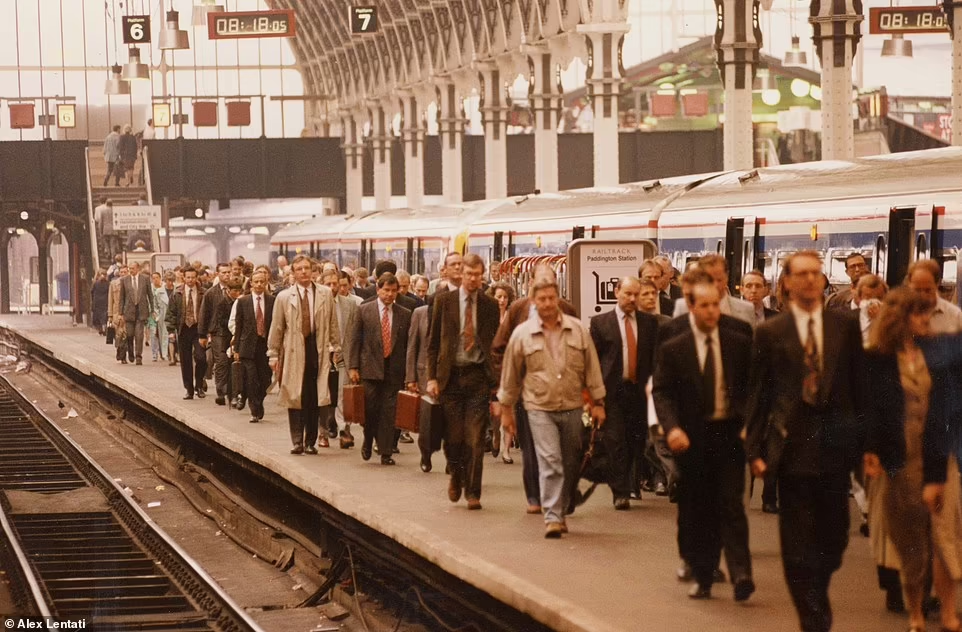
Because more people are working from home, there is less travel on public transport, meaning that there are less opportunities to interact and connect with others on a work commute.
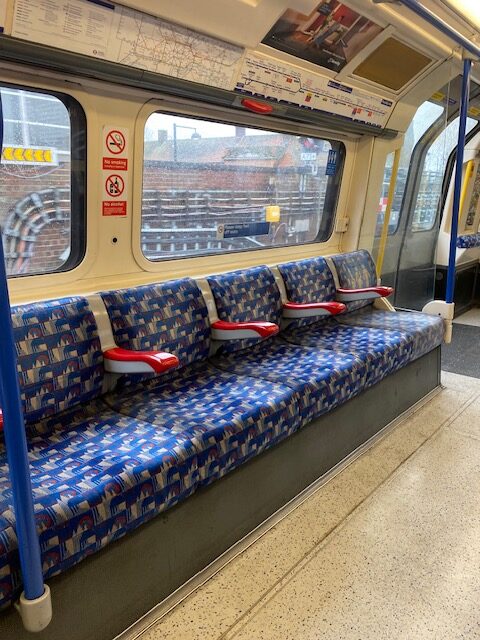
In October 2022, average daily demand on the London Underground is only 73% of pre-pandemic levels and London bus demand was around 69% of pre-pandemic levels. To deal with this, on the 28th January 2024 the Mayor of London, Sadiq Khan, announced TfL will run a three-month trial to make all London Tube and Rail fares cheaper on Fridays. The idea is a part of a plan to try and encourage more Londoners back into London on Fridays.
In 1994, the work Christmas party was very much looked forward to as a big social event with your colleagues. It brought colleagues together to celebrate and have fun. However, a study in December 2023 showed that 42% of employees would now prefer a bonus or a gift at the end of the year from their boss rather than a party with their colleagues.

Therefore, in 1994, very few of the UK population worked from home. Working in the office gave people the opportunity to feel involved and socialise both at the office and on the daily commute. The office Christmas party was a big social event at the end of the year. However, now the rise in working from home and artificial intelligence taking over certain jobs, and fewer office parties has reduced the opportunities for companionship and increased the sense of atomisation and segregation.